
Birmingham’s summer heat tests any lawn. To keep grass healthy, you must adjust your approach every few months. Your lawn’s needs change dramatically from spring’s growth spurt to winter’s dormancy. A single strategy will not work all year. This guide breaks down the essential tasks for each season in our local climate.
Spring Lawn Care in Birmingham
Spring wakes your lawn from its winter rest. This season focuses on recovery and strong growth before the intense heat arrives. Your first step is a simple inspection. Walk your yard and look for bare patches, compacted soil, and early weeds.
Start with a Soil Test
A professional soil testing service reveals what your lawn lacks. It measures pH and nutrient levels. Birmingham’s clay-heavy soil often needs adjustment. The test results tell you exactly which fertilizer to use, saving you money and preventing guesswork.
Next, apply a pre-emergent herbicide for weed control. This stops crabgrass and other summer weeds before they sprout. Time this application right as soil temperatures warm, typically in early March. Follow this with a balanced fertilizer to feed new grass blades.
Mowing and Early Maintenance
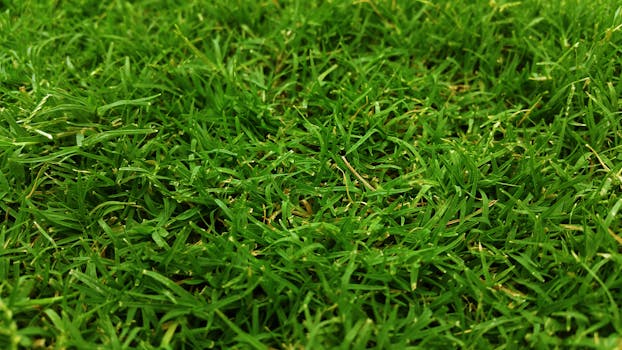
Begin your regular mowing schedule as growth picks up. Never cut more than one-third of the grass blade height. Keep your mower blades sharp. Dull blades tear grass, leaving it stressed and vulnerable to disease. Spring is also an ideal time for core aeration if your soil is compacted.
Summer Lawn Care Strategy
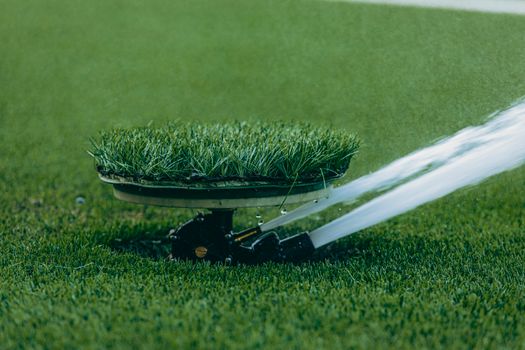
Birmingham’s summer brings high heat and humidity. Your lawn’s goal shifts from aggressive growth to survival. Proper irrigation becomes the most critical task. Water deeply but infrequently. Lawns need about one to one and a half inches of water per week, including rainfall.
Water early in the morning to reduce evaporation and fungal disease. Adjust your mowing height. Raise the blade to let grass grow taller. Longer grass shades the soil, retains moisture, and develops deeper roots. This helps it withstand drought.
Managing Heat Stress and Pests
Watch for signs of stress like wilting or blue-gray tint. Pest management is also key in summer. Chinch bugs and grubs become active. Look for irregular brown patches that do not green up after watering. A targeted treatment from a professional can solve this quickly. Spot-treat weeds rather than applying blanket herbicides, which can stress hot grass.
Essential Fall Lawn Care Tasks
Fall is the most important season for lawn care in Birmingham. Cooler temperatures and increased rainfall create perfect conditions for root development. This season’s work prepares your lawn for winter and a strong spring comeback.
Aeration, Overseeding, and Fertilization
Core aeration is highly recommended in early fall. It relieves soil compaction, allowing air, water, and nutrients to reach the roots. After aerating, consider overseeding to fill thin areas and introduce more resilient grass varieties.
Apply a fall-specific fertilizer. This feeds the roots without promoting top growth that winter will kill. A final application of pre-emergent herbicide can control winter weeds like poa annua.
The Final Mows and Cleanup
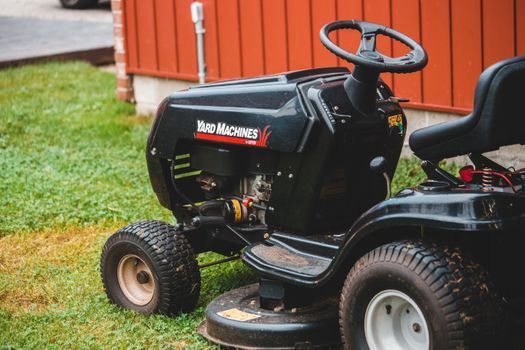
Continue mowing as grass growth slows. Gradually lower the mowing height for the final cut of the season. This helps prevent matted grass and snow mold. Remove fallen leaves promptly. A thick layer of leaves blocks sunlight and traps moisture, smothering the grass.
Winter Lawn Care and Planning
Your lawn is dormant, but your care is not. Winter is for protection, cleanup, and planning. Avoid walking on frost-covered grass, as the frozen blades can break easily. This is the time for equipment maintenance and landscape planning.
Use this quiet season to service your mower, trimmer, and irrigation system. Check for local lawn care service offers for early-bird program sign-ups. Winter is also an excellent time for mulching landscape beds to suppress weeds and protect plant roots for spring.
Evaluating Your Lawn’s Health
Look at your lawn’s overall performance last year. Identify chronic issues like drainage problems or recurring bare spots. Winter is the perfect time to consult a professional for a [link: comprehensive lawn analysis]. They can create a customized plan for the year ahead, incorporating services like dethatching or targeted pest management.
Building a Healthy Lawn for Birmingham’s Climate
Consistency is the secret to a great lawn. Each season’s tasks build upon the last. Spring feeding supports summer survival. Fall renewal ensures winter hardiness. Skipping a season can set your lawn back for months.
The specific challenges of Birmingham’s weather require a local approach. Your soil, the common pests, and the length of our growing season all matter. A generic national guide will not address these factors. Working with a [link: Birmingham lawn care expert] who understands the local environment makes a visible difference.
Your lawn is a living system. Give it the right care at the right time. Start your year-round plan today. For a tailored approach to seasonal lawn care in Birmingham AL, contact us for a [link: free lawn assessment]. We will help you build a schedule that fits your yard and the local seasons.